









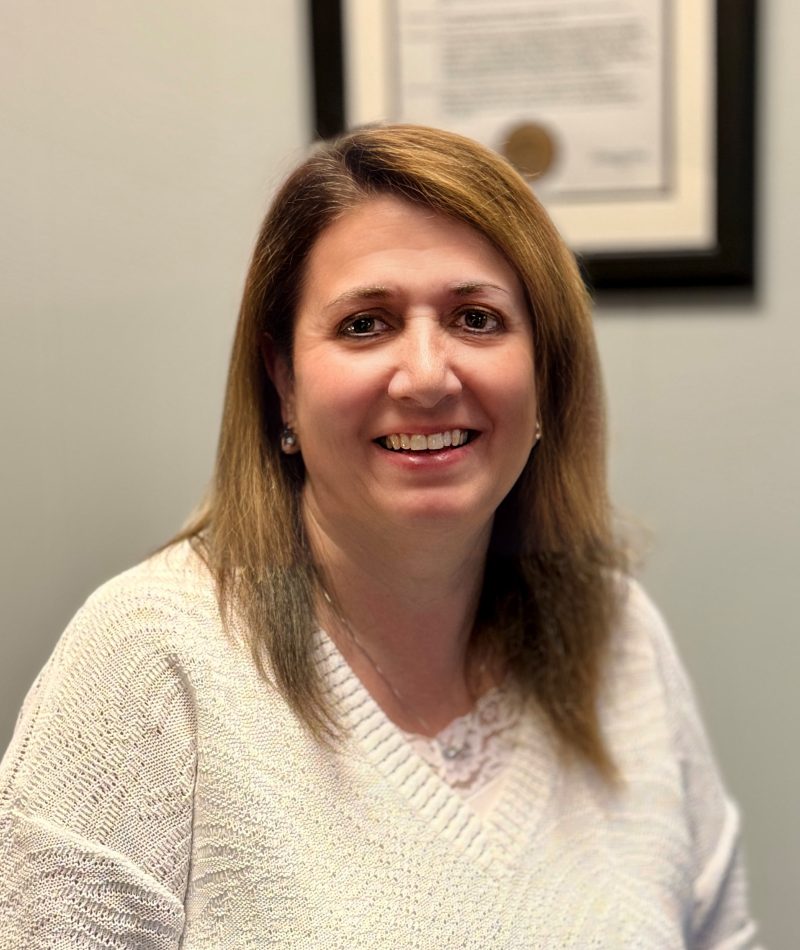
The Board of Directors of Abbott House has named Ms. Justine Christakos as incoming CEO and President of Abbott House,...
Read More
August 4, 2011

TZ Bridge Project Presented as Positive for Businesses
by Janie Rosman |
August 2 2012
Governor Andrew Cuomo’s office held two meetings last month in partnership with the Business Council of Westchester and Rockland Business Association regarding the $5.2 billion Tappan Zee Hudson River Crossing Project.
“This is the start of the process,” said Brian Conybeare, former News 12 anchor appointed by Cuomo days earlier to be special advisor for the Tappan Zee Bridge. The project, earmarked by Governor George E. Pataki more than one decade earlier, would create 45,000 new jobs.
Support our Sponsors
After 10 years, more than 430 public meetings and nearly $1 billion spent in repairs, the bridge will become a reality. The burning question is, Why not just refurbish the current structure?
Conybeare explained the bridge would still be without pedestrian walkways and shoulders, and would have the same amount of problems and pitfalls. “To rehab it would cost the state $3 to $4 billion during the next 20 years,” he said. “The state spent $750 million so far. (It’s time to) stop throwing good money into bad.”
Presenters included Larry Schwartz, secretary to the Governor, Thruway Executive Director Thomas J. Madison, Mark Roche, principal at ARUP engineering; and Robert Conway, Senior Vice President, AKRF Environmental, Planning and Engineering Consultants.
Madison explained the new bridge will be transit ready, safer and more efficient with improved toll collection, EZ-Pass® lanes, sensors, real-time weather and traffic. It will have dedicated lanes for emergencies and pedestrians, wider shoulders, and bus rapid transit when costs permit.
“In late 2011, Governor Cuomo said this (spending money for the old bridge) has to stop,” Schwartz said. Stressing the state’s historic step — the same firm will design and build the new bridge — Schwartz said, “The burden will be on the bidder if there is cost overrun.”
Roche explained that bus rapid transit “is like a train with rubber tires” and requires its own dedicated lanes. “When you get on a train, you expect to arrive at your destination at a certain time; that’s the reliability of a train. Bus rapid transit needs dedicated lanes, with nothing in the way.”
Conway said public hearings drew 1,100, and there were 3,000 public comments about the Environmental Impact Statement. “A record number,” he said, adding the 45-day comment period was extended to 60 days. The state was to have published the FEIS at the end of July.
Two public information meetings were to be held July 25 at SUNY Purchase, and July 26 at SUNY Rockland Community College. Proposals from the four competing design and build teams were due July 27. Schwartz reiterated Madison and said the project will be as transparent as possible.
The previous week, Schwartz and Madison met with six Rockland County homeowners in South Nyack and visited the Quay Condominium in Tarrytown.
“I felt encouraged by their honesty,” said Board of Managers President Alice Goldberg, after speaking with Schwartz, Madison and Aimee Vargas, Empire State Development Corp. Mid-Hudson Regional Director. “They came and listened and seemed to understand, and this in itself is very important to us.”
Instead of meeting officials at the Quay clubhouse, Goldberg said she invited them into her home “so they could experience it here.”
Madison agreed it was a productive meeting. “We met with several neighbors and sat in her kitchen talking,” he said prior to the Business Council presentation. “We’ll be having more of these community meetings with residents to keep them informed.”
A toll-free hotline, 1-855-TZBRIDGE, and website, http://www.newnybridge.com/, will provide up-to-date information. Schwartz said the caller can leave a message and will receive a reply within 24 hours.
“We’re doing everything we can to minimize the effects of this project,” Schwartz said, indicating his visits to homeowners in South Nyack and Tarrytown. “We’re going to exhaustive efforts to make sure all questions are answered, and are sensitive to those (living) in the area.”
Read or leave a comment on this story...Support our Sponsors
New Concord Road School Principal Appointed in Ardsley
April 18, 2024
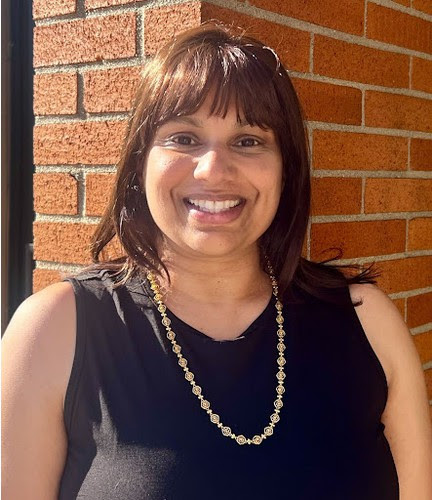
By Rick Pezzullo--- The Ardsley Board of Education has appointed Dr. Vidya Bhat as the incoming full-time probationary principal of...
Read More
Irvington High Names Class of 2024 Valedictorian, Salutatorian
April 17, 2024
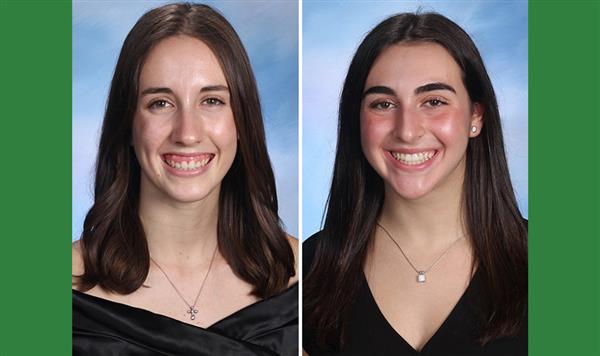
By Rick Pezzullo--- Ciara Lyons and Hanna Reich are heads of the Class of 2024 at Irvington High School. Lyons...
Read More

Irvington Girl Scouts Honor Their Past at a Fundraising Luncheon
April 15, 2024
By Barrett Seaman-- The ongoing centennial celebration of the founding of the Irvington Girl Scouts wound its way on Sunday,...
Read More
Hastings-on-Hudson Resident to Bike 300+ Miles for Fundraiser
April 15, 2024
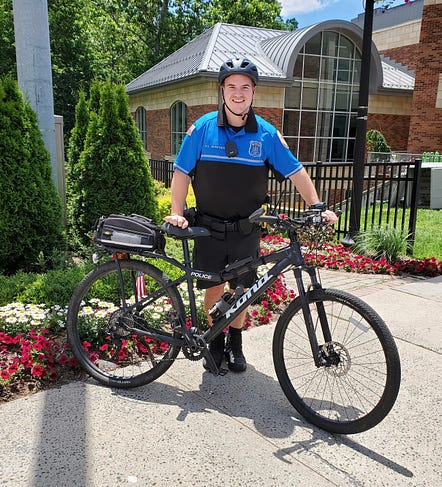
by Janine Annett-- Robert Simmonds has deep roots in Hastings. Not only is he a lifelong resident of the village,...
Read More

Writer’s Block…of Clay
April 15, 2024
WRITER'S BLOCK...OF CLAY: The pleasure, pain and Play-Doh of creating By Krista Madsen– There have been times in my writing life—memorable, magical,...
Read More
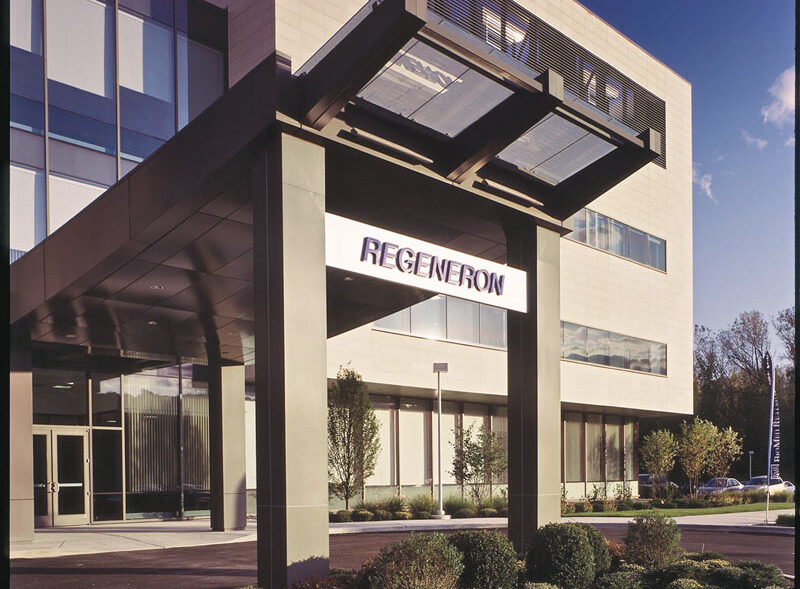
Justice Department Charges Regeneron With Pricing Fraud
April 12, 2024
By Barrett Seaman— The U.S. Department of Justice this week filed a False Claim complaint against Tarrytown-based Regeneron Pharmaceuticals, claiming...
Read More

Sleepy Hollow Jazz Festival April 12 Unites Several School Districts
April 11, 2024
By Rick Pezzullo--- The Public Schools of the Tarrytowns will be hosting the 2024 Sleepy Hollow Jazz Festival on Friday,...
Read More
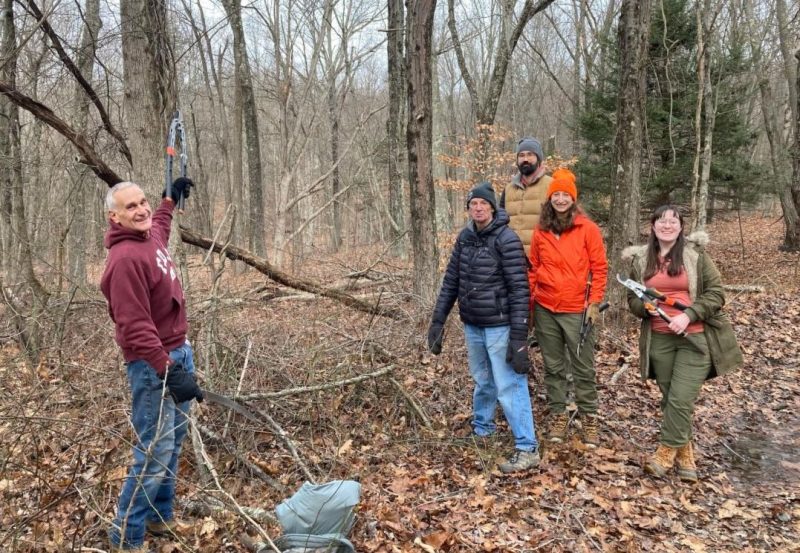
Westchester Land Trust Awarded $100,000 Grant to Save Our Forests
April 10, 2024
We've got great news for the health of our local forests! An anonymous donor granted $100,000 to Westchester Land Trust...
Read More

Hastings Flea Market Returns for 11th Year
April 10, 2024
This story is from the Rivertowns Current by Janine Annett-- Rivertowns residents don’t have to travel down to Brooklyn...
Read More

 Share
Share Print
Print
